Teeth Whitening 101: How to Safely Get a Brighter, Whiter Smile
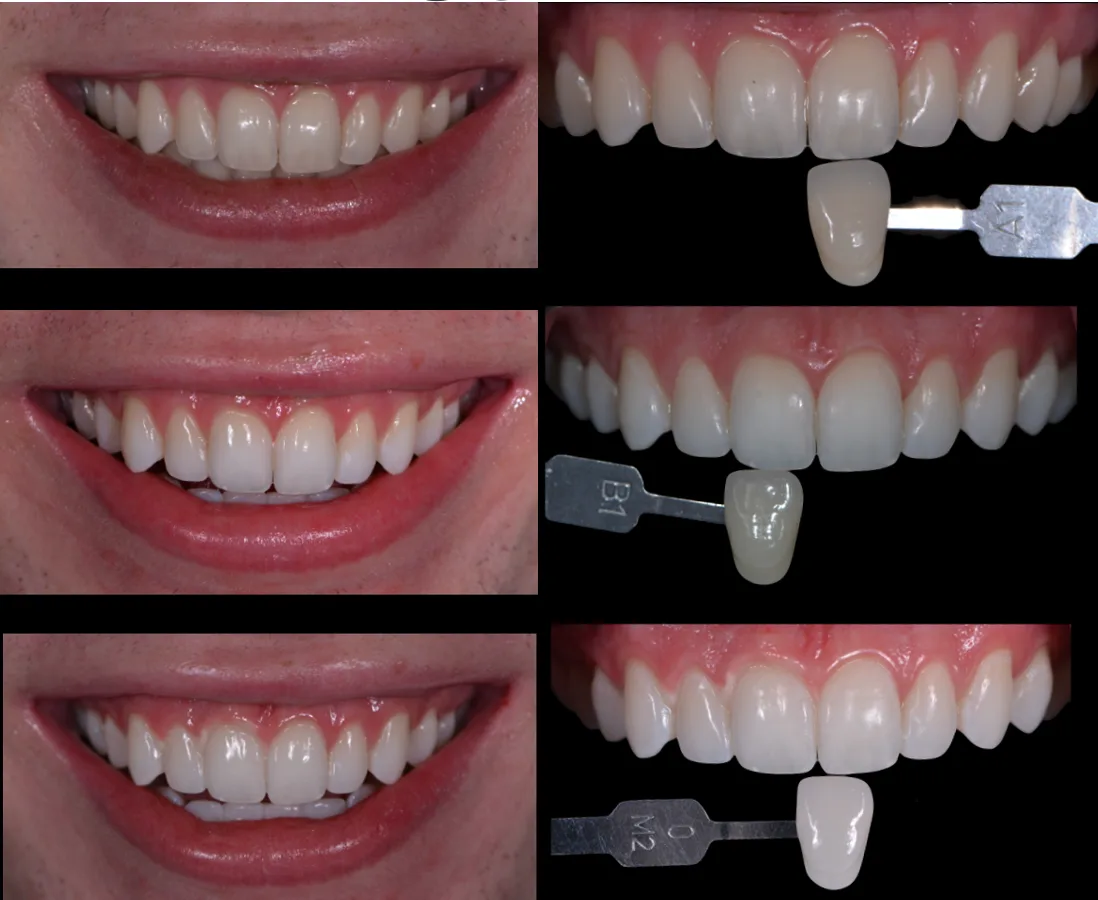
A whiter smile is one of the most requested cosmetic upgrades we hear about at Uptown Dentistry — and for good reason. Brighter teeth can make you look healthier, more confident, and years younger, often without any invasive treatment.
But with drugstore strips, whitening toothpastes, viral TikTok hacks, and professional treatments all competing for your attention, it can be hard to know what actually works and what could damage your enamel.
Here’s what you need to know about how teeth whitening works, what causes stains in the first place, and how to get safe, lasting results.
What causes tooth discoloration?
Not all stains are created equal. Before you pick a whitening method, it helps to understand where the discoloration is coming from. Dentists generally sort tooth stains into two categories: extrinsic and intrinsic.
Extrinsic stains: the surface layer
Extrinsic stains sit on the outside of the enamel and are caused by the things you eat, drink, and do every day. Common culprits include:
- Coffee, tea, and colas
- Red wine
- Deeply pigmented foods like turmeric, berries, tomato sauce, soy sauce, and balsamic vinegar
- Smoking and vaping
- General wear and aging
The good news: extrinsic stains respond very well to professional whitening and can often be improved with consistent cleanings and better at-home habits.
Intrinsic stains: the deeper kind
Intrinsic stains come from inside the tooth rather than the surface. They can appear yellow, brown, gray, or even white, and they’re typically caused by:
- Trauma or injury to a tooth
- High levels of fluoride exposure during childhood
- Certain medications or antibiotics taken during early tooth development
- Genetics
Because these stains live beneath the enamel, they don’t always respond to store-bought whitening products. In many cases, the most effective treatment is professional whitening — and for deeper discoloration, veneers or bonding may be recommended.
Your teeth whitening options, compared
1. In-office professional whitening
This is the fastest, most powerful option and the one we most often recommend for patients who want a visible change. In a single appointment of about an hour, we can take your smile from dull to noticeably brighter.
Here’s how it works at Uptown Dentistry:
- First, we gently buff away any surface stains and plaque so the whitening gel can work evenly.
- A professional-grade whitening solution is applied to the teeth and activated chairside under carefully controlled conditions.
- Because the gel penetrates the entire tooth — not just the front surface the way strips do — you get a more uniform, natural-looking result.
In-office whitening is also the safest route for anyone with sensitive teeth, receding gums, or existing dental work, because we can adjust the treatment to your specific needs.
2. At-home whitening with custom trays
For patients who want flexibility or who plan to maintain their results over time, we also offer custom-fitted whitening trays. Unlike generic boil-and-bite trays or one-size-fits-all strips, these are molded precisely to your teeth, which matters for two reasons: the gel stays where it’s supposed to, and you avoid gum irritation from leakage.
Professional take-home kits pair beautifully with in-office treatments. We often send patients home with custom trays after a chairside whitening session so they can touch up their smile occasionally and keep it looking its best.
3. Over-the-counter whitening products
Whitening toothpastes, rinses, and strips can help with mild surface staining and day-to-day maintenance, but they have real limits. The bleaching agents are much weaker than professional formulas, the trays don’t contour to your teeth, and overuse can lead to sensitivity or uneven color. If you’ve tried OTC products and aren’t seeing the change you want, that’s usually a sign your stains need a professional approach.
How long do whitening results last?
Results typically last anywhere from a few months to a few years, depending on your diet, habits, and how consistently you maintain them at home. Patients who use custom trays for occasional touch-ups and stay on top of their routine cleanings tend to hold their results the longest.
A few simple habits go a long way:
- Rinse with water after coffee, tea, or red wine
- Use a straw for darker beverages when possible
- Avoid smoking and vaping
- Keep up with your twice-yearly cleanings
Is professional whitening right for you?
Professional whitening is a great fit for most adults with healthy teeth and gums, but it’s not the right solution for every type of discoloration. Intrinsic stains, teeth with existing crowns or veneers, and certain sensitivities can all influence which approach will give you the best result. That’s why the first step is always a quick consultation — it lets us look at your smile, identify what kind of staining we’re dealing with, and build a plan that actually works for you.
Ready for a brighter smile?
If you’ve been thinking about whitening but aren’t sure where to start, our team at Uptown Dentistry is here to help. We’ll walk you through your options, answer your questions, and recommend the safest, most effective path to the smile you want.
Schedule your whitening consultation at Uptown Dentistry today — and let’s get you ready to show off those sparkly whites.